If Your Child Walks More Than You Think, Sneakers Matter More Than You Think
Let’s start with a simple question.
How much do you think your child walks in a day?
Most parents picture a short walk to school, maybe some playtime in the evening, and that’s it. But when you actually add it up—walking between classrooms, playground movement, stairs, tuition runs, park visits, indoor pacing—it’s a lot more than we realise.
Children don’t just walk. They move constantly. And when that movement adds up over hours, the kind of footwear they wear starts to matter more than style, season, or habit.
This is where sneakers quietly step in.
How Much Do Kids Actually Walk in a Day?
Even on a “normal” weekday, an average child easily spends 6–8 hours on their feet. Not standing still—moving. Walking, running, stopping, starting, twisting.
Think about it:
- walking to and from school
- moving between classrooms
- playground activity
- walking to tuition or coaching
- evening park time
- indoor movement at home
That’s thousands of steps on growing feet—every single day.
When footwear isn’t designed for this kind of daily load, discomfort doesn’t always show up as pain. It shows up as fatigue, restlessness, slower movement, or shoes being kicked off the moment kids get home.
Why Everyday Shoes Fall Short for All-Day Movement
Many kids’ shoes are designed for specific moments—school shoes for uniform compliance, sandals for breathability, flip-flops for convenience.
The problem?
None of these are built for continuous walking.
Flat soles, stiff construction, or minimal cushioning force feet to absorb impact directly. Over time, this leads to:
- tired legs
- altered walking patterns
- reluctance to walk or play longer
- subtle posture changes
This is exactly why parents often notice a difference when they switch to well-designed kids sneakers—not because sneakers are trendy, but because they’re built for movement.
ONYC has touched on this idea before in blogs around healthy foot development and everyday comfort, but sneakers take that philosophy one step further.
Why Sneakers Make a Difference (When Chosen Right)
Not all sneakers are equal. But the right kids sneakers are designed to handle exactly what childhood looks like today—long days, mixed activities, and constant motion.
A good sneaker supports:
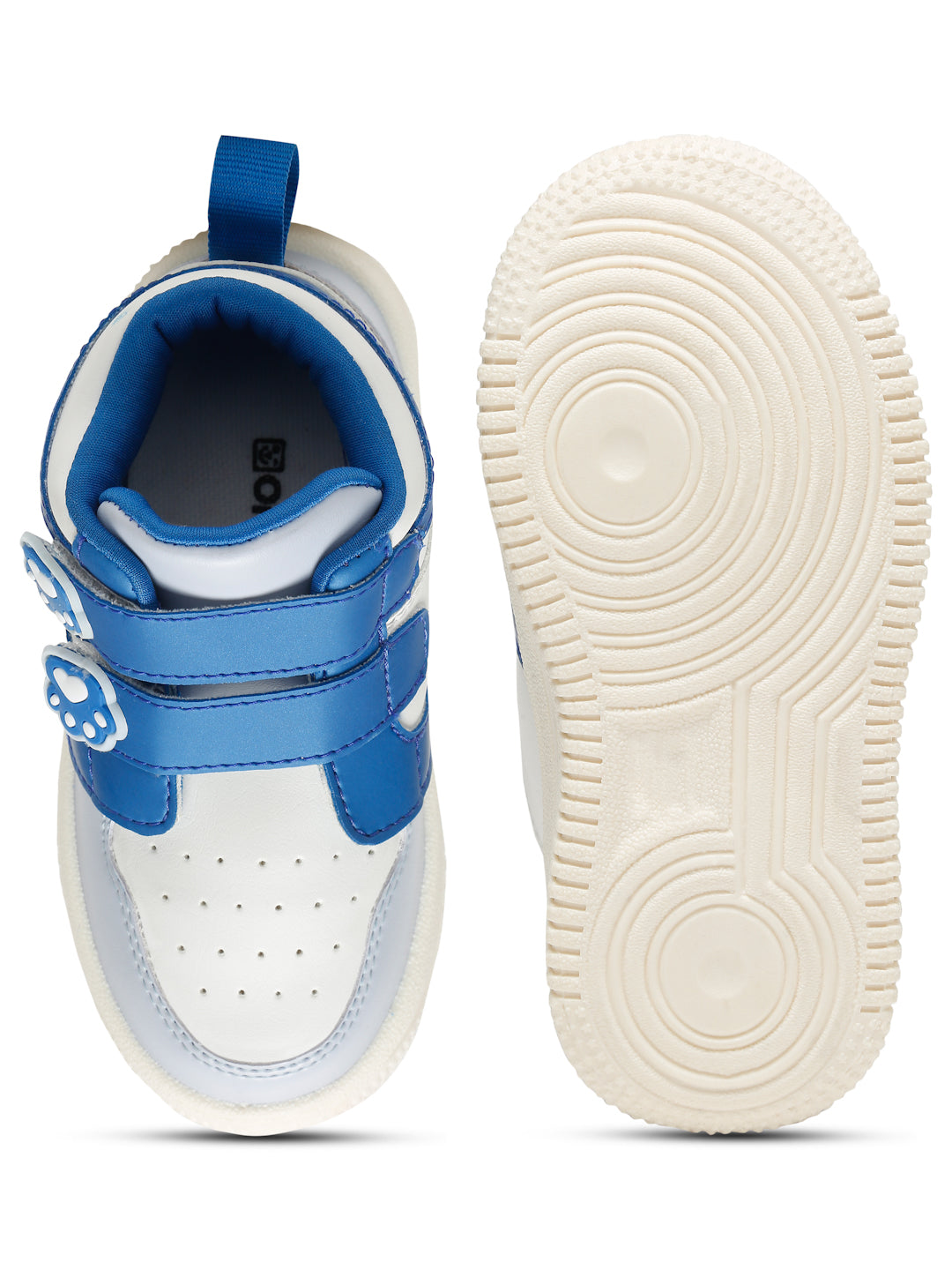
- Cushioning to absorb impact from hard floors
- Flexibility so feet move naturally
- Grip for safe movement indoors and outdoors
- Breathability to prevent fatigue from overheating
This combination matters far more than whether the shoe “looks sturdy.”
That’s why many parents start replacing rigid daily footwear with sneakers for school, play, and everything in between—especially as kids grow older and their days get longer.
Sneakers vs Regular Shoes: A Real-World Comparison
Here’s where things become clear.
|
Feature |
Regular Flat Shoes |
Well-Designed Kids Sneakers |
|
Shock absorption |
Minimal |
High |
|
Support for long walks |
Limited |
Built for it |
|
Flexibility |
Often stiff |
Moves with the foot |
|
Fatigue after long day |
Common |
Reduced |
|
Daily all-purpose use |
Not ideal |
Yes |
Sneakers aren’t about sport anymore. They’re about daily comfort.
“But Aren’t Sneakers Too Casual for Everyday Wear?”
This is a common hesitation—and a valid one.
Sneakers used to be occasional footwear. Today, they’ve evolved. Clean silhouettes, neutral colours, and thoughtful design mean sneakers now fit seamlessly into school routines, outings, and daily life.
Many parents browsing kids footwear collections are already noticing this shift—choosing sneakers not as an exception, but as the default for days that involve a lot of walking.
What Pediatric Experts Say About Daily Footwear
Child health experts consistently emphasise that children’s footwear should support natural movement and shock absorption, especially during growth phases.
According to guidance from the American Academy of Pediatrics, shoes that reduce strain and allow natural foot motion play an important role in long-term foot and posture health. While they don’t prescribe “sneakers” specifically, the features they recommend—cushioning, flexibility, support—are exactly what good sneakers provide.
Signs Your Child Might Need Better Walking Shoes
Kids don’t always say “my shoes hurt.” They show it.
Watch for:
- shoes coming off immediately after school
- reluctance to walk longer distances
- frequent complaints of tired legs
- slowing down earlier than usual
These aren’t behavioural issues. They’re comfort signals.
Parents who notice these signs often start rethinking everyday footwear—especially for school and daily routines.
Why This Matters More Than We Think
Children today walk more than we assume—but on harder surfaces, longer schedules, and busier days than most of us had growing up.
Sneakers aren’t a trend response.
They’re a lifestyle response.
When kids have footwear that supports how they actually move, days feel easier. Energy lasts longer. Complaints reduce. And movement becomes natural again.
That’s not a small win. That’s daily quality of life.
Final Thought
If your child walks more than you think—and they almost certainly do—then what’s on their feet matters more than you think too.
The best everyday shoes aren’t the ones that look toughest or last the longest in storage. They’re the ones that quietly support thousands of steps without being noticed.
And when kids stop noticing their shoes altogether?
That’s usually when parents know they chose right.
A Smarter Choice for Everyday Movement
If you’re rethinking what your child wears on long, movement-heavy days—school, play, outings, or all of it—this is a good moment to look at footwear built for walking first, and everything else second.
Choosing the right sneakers isn’t about keeping up with trends.
It’s about keeping up with your child.
And parents who notice this early don’t just buy better shoes—they make everyday life easier.
And that’s not just a purchase. That’s how good parenting looks!
Questions Parents Start Asking Once They Notice the Walking
Once parents realise how much their child actually moves in a day, a few practical questions almost always follow.
Are sneakers really better than regular shoes for daily wear?
For children who walk, run, and move throughout the day, well-designed sneakers usually offer better cushioning, flexibility, and shock absorption than flat or rigid shoes.
How do I know if my child’s current shoes aren’t working anymore?
Look for signs like tired legs, reluctance to walk longer distances, shoes coming off immediately at home, or complaints after school. These often point to inadequate support.
Are sneakers only for sports and playtime?
Not anymore. Modern kids sneakers are designed for all-day use, making them suitable for school, outings, and everyday routines—not just sports.
How often should everyday walking shoes be replaced?
For growing kids, it’s a good idea to reassess footwear every 4–6 months. Even if shoes look fine, growth and wear can reduce comfort.
Do sneakers replace sandals and school shoes completely?
Not necessarily. Different footwear serves different purposes, but sneakers often become the most versatile option for movement-heavy days.